Noticing what others miss — in animals, nervous systems, and organizations.
I'm Delisa. I've spent more than a decade in learning and development, and most of that time I've been noticing things other people didn't want to hear yet.
I have the M.Ed. and the résumé. But the way I actually work has always been less about frameworks and more about pattern recognition. I notice when an onboarding program is creating the attrition it's trying to prevent. I notice when a team's high performers are masking and the cost is going to show up two quarters later. I notice when a training problem isn't actually a training problem at all.
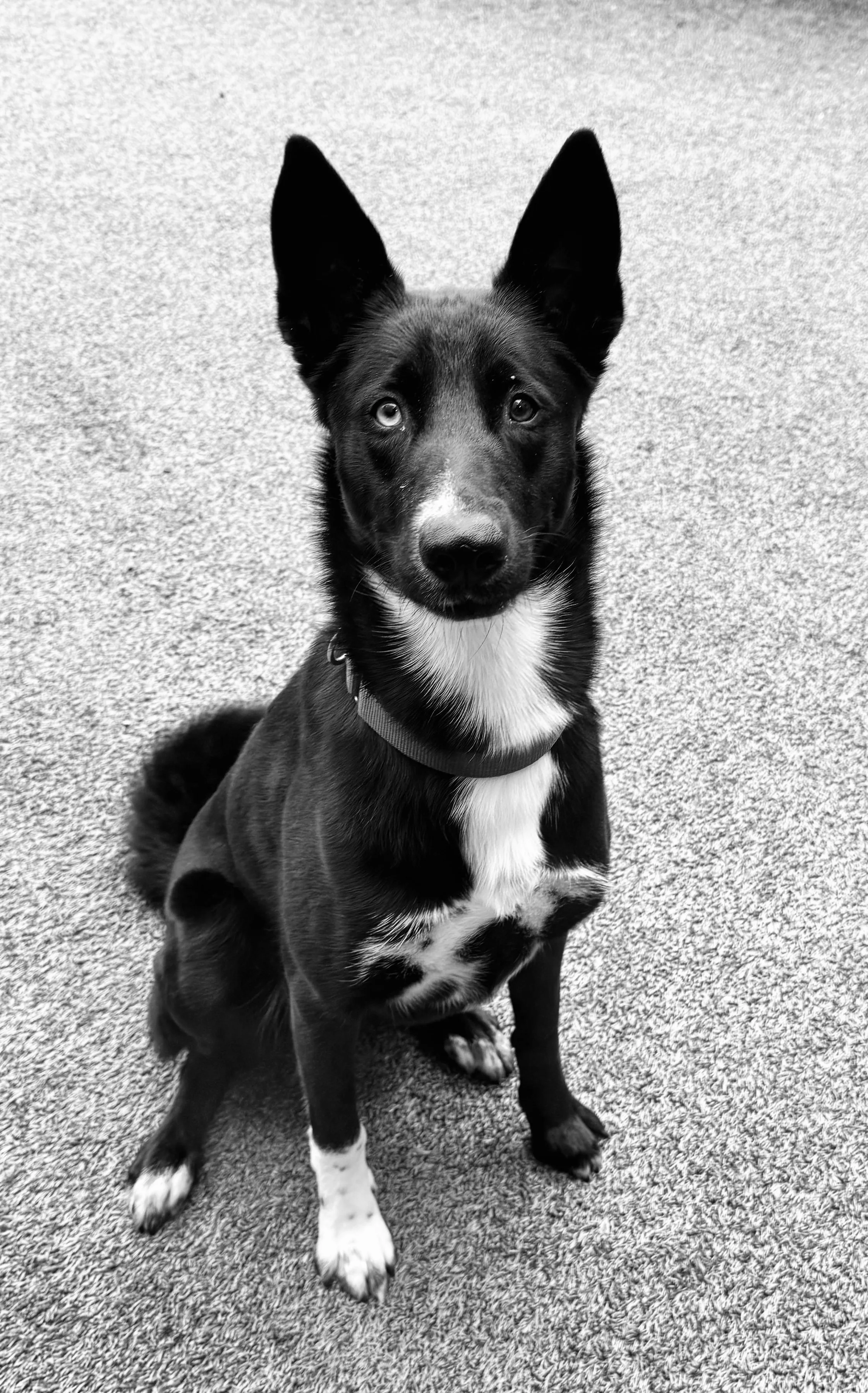
I'm also a multipassionate by nature. I volunteer at an animal shelter and assist with dog training. I was a classical musician. I've worked in travel writing, graphic design, and specialty coffee. I'm neurodivergent. I read constantly. I build small apps and tools when I want to solve something and can't find an existing answer.
For a long time I thought the breadth was a liability, something to downplay or apologize for. I've come around to the opposite view: the breadth is how I notice. Patterns don't respect disciplinary boundaries, and neither do I.
Canary Patterns is where all of it lives. Learning design and consulting for companies and animal welfare organizations. Writing at the intersection of animals, nervous systems, and how people actually learn. And digital products built specifically for neurodivergent multipassionates and accidental L&D professionals: tools to help you stop hiding your range, frameworks for turning scattered interests into a coherent practice, and guides for designing work that fits how your brain actually operates instead of how you've been told it should.
All of it is pointing toward an animal rescue and education center somewhere down the road.
If you've ever been told you notice too much, you're in the right place.